CORDA DB
CompositoreVersione biografia 1.1

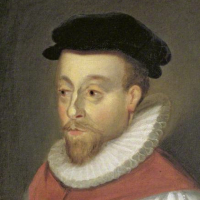
Orlando Gibbons

Orlando Gibbons (1583-1625) fu compositore, organista e virtuoso della tastiera nell'Inghilterra tardo-elisabettiana e giacobiana. La sua formazione a Cambridge, il servizio alla Chapel Royal e l'incarico all'Abbazia di Westminster si intrecciarono con una produzione che comprende madrigali, anthems, servizi liturgici, musica per tastiera e consort.
Orlando Gibbons

Profilo

Nascita
1583
Periodi
Rinascimento
Opere catalogate
88
Opere datate
88
Suggerisci una modifica

Prima della conferma, email e suggerimento restano temporaneamente in cache per un massimo di 20 minuti e vengono eliminati automaticamente se non confermi. Dopo la conferma, il suggerimento viene inviato ai curatori e resta nella casella email fino alla gestione. Il database del sito non conserva questi dati.

Biografia

Orlando Gibbons nacque a Oxford nel 1583 e fu battezzato nella chiesa di St Martin il 25 dicembre 1583. Apparteneva a una famiglia di musicisti: il padre William Gibbons era attivo come musicista cittadino, mentre i fratelli Edward, Ellis e Ferdinando partecipavano anch'essi alla vita musicale. Quando Orlando era ancora bambino la famiglia tornò a Cambridge, dove il padre aveva già lavorato.

Nel 1596, a dodici anni, Gibbons entrò come corista nella cappella del King's College Cambridge, probabilmente sotto la direzione del fratello Edward Gibbons. Nel 1598 iniziò gli studi universitari a Cambridge; il suo percorso culminò nel titolo di Bachelor of Music nel 1606. La formazione corale e accademica gli fornì il contesto per sviluppare una scrittura contrappuntistica e tastieristica destinata a fondere la tradizione inglese del tardo Rinascimento con nuove soluzioni espressive.

Nel 1603 o nel 1604, dopo l'ascesa di Giacomo I, Gibbons entrò nella Chapel Royal come gentleman e organista; mantenne il servizio fino alla morte. Nel 1606 sposò Elizabeth Patten, figlia di un funzionario della Chapel Royal. La coppia ebbe sette figli, tra cui il futuro compositore e organista Christopher Gibbons. La famiglia visse nella parrocchia di St Margaret a Westminster, nell'area allora chiamata Woolstaple.

La sua attività londinese si sviluppò accanto agli incarichi di corte. Il primo libro di madrigali e mottetti a cinque voci fu pubblicato nel 1612; negli anni successivi Gibbons si affermò come autore di musica vocale profana e sacra, di composizioni per tastiera e di musica per consort. Dal 1616 collaborò con John Coprario nel contesto musicale legato al principe Carlo. Nel 1617 accompagnò Giacomo I in Scozia con la Chapel Royal e compose per l'occasione Great King of Gods e Do not repine, fair Sun. Nel 1619 ricevette il titolo di Virginalist to the Royal Privy Chamber.

La produzione liturgica occupò un posto centrale nella sua reputazione. Nel 1623 furono pubblicati The Hymnes and Songs of the Church, con melodie composte da Gibbons per i testi di George Wither. Nello stesso periodo succedette a John Parsons come organista dell'Abbazia di Westminster, incarico che mantenne fino al 1625. Tra le opere più note figurano O clap your hands, See, the Word is Incarnate, Hosanna to the Son of David e il Short Service.

Nel 1625 Gibbons si recò a Canterbury con il re e la Chapel Royal per gli eventi nuziali di Carlo I e Enrichetta Maria. Morì improvvisamente il 5 giugno 1625, probabilmente durante quel soggiorno; fu sepolto nella Cattedrale di Canterbury, dove la vedova fece erigere un monumento. La morte interruppe una carriera ancora in pieno sviluppo. La sua musica sacra rimase nel repertorio anglicano, mentre la riscoperta della musica per tastiera, madrigali e consort ne ampliò la ricezione moderna.

Testo curatoriale originale · CC BY-SA · Testo redazionale basato sulle fonti citate

Fonti consultate dai curatori (3)
  1. Orlando Gibbons · wikipedia · revisione 2026-10-04 · CC BY-SA · Wikipedia contributors
  2. Orlando and Christopher Gibbons · institutional · revisione 2026-10-04 · institutional · Dean and Chapter of Westminster
  3. About the Choir · institutional · revisione 2026-10-04 · institutional · King's College Cambridge
RICERCA NELLA STORIA

Percorso cronologico

1583 – 1625

Eventi biografici

11
OPERE

Catalogo delle opere

88
Opere a catalogo mostrate: 88
  1. Fantasia a6
  2. Go from my window: variazioni per sei viole, MB 48/40 Theme and variations
  3. The Fairest Nymph, mask, MB43
  4. The Italian Ground, MB27
  5. The King's jewel, alman, MB36
  6. The Queen's Command, MB28
  7. The Temple Mask, MB45
  8. Voluntary (keyboard reduction of Fantasia a3 no. VIII)
  9. Welcome Home, mask, MB42
  10. Whoop, do me no harm good man, MB31
  11. Galliard a3, MB23
  12. Galliard in G major a6, MB42
  13. Ground on the 3rd tone, MB 26 Theme and variations
  14. Lady Hatton’s Galliard
  15. French Alman, MB41
  16. Glorious and powerful God
  17. Hosanna to the Son of David
  18. I Am the Resurrection
  19. I Tremble Not at Noise of War
  20. I Weigh Not Fortune’s Frown nor Smile
  21. If Ye Be Risen Again with Christ
  22. In Nomine for keyboard
  23. Pavan
  24. Pavan a6
  25. Pavan on the 1st tone, MB15
  26. Peascod Time, MB30
  27. Prelude on the 1st tone, MB3
  28. Prelude no. 1 in A minor
  29. Prelude no. 2 in G major
  30. Second Service
  31. See, the word is incarnate
  32. Short Service
  33. Sing unto the Lord, O ye saints
  34. The Cryes of London
  35. The Silver Swan
  36. The Woods So Wild, MB29
  37. This is the Record of John
  38. We praise thee, O Father
  39. Almighty God, who by thy Son
  40. Voluntary in A minor
  41. So God loved the world
  42. Fantasia no. 9 in C
  43. Fantasia a3
  44. 2 Fantasias a4, MB24-25
  45. Ah, deere hart, why doe you rise?
  46. Fantasia
  47. Fantasia no. 1 for Great Double Bass
  48. Fantasia no. 1 in D minor
  49. Fantasia on the 1st tone, for double organ, MB7
  50. First preces and Psalm 145 for Evensong on Whitsunday, for voices
  51. French Coranto, MB38
  52. Lift Up Your Heads
  53. Lincoln’s Inn Mask
  54. Lord Salisbury’s Pavan and Galliard
  55. Lord, We Beseech Thee, Pour Thy Grace
  56. Now Shall the Praises of the Lord Be Sung
  57. O God, the King of Glory
  58. O Lord, I lift my heart to thee
  59. O Lord, how do my woes increase
  60. O Lord, in thy wrath rebuke me not
  61. O Thou, who at thy Eucharist did pray
  62. What is our life?
  63. Praise the Lord, O my soul
  64. Almighty and everlasting God
  65. Coranto on the 1st tone, MB39
  66. Alman on the 1st tone, MB33
  67. Coranto on the 3rd tone, MB40
  68. Fantasia in A minor
  69. Fantasia in C
  70. Fantasia on the 1st tone, MB6
  71. Fantasia on the 3rd tone, MB12
  72. French Air, MB32
  73. Galliard a3
  74. Galliard on the 1st tone, MB21
  75. O Lord, Increase my faith
  76. In Nomine à4
  77. Faire is the rose
  78. Daintie fine bird
  79. Blessed are all they that fear the Lord
  80. Great King of Gods
  81. Behold, thou hast made my days
  82. O all true faithful hearts
  83. Fantasia a3, MB7
  84. Fantasia a2, MB3
  85. O clap your hands
  86. The Hymnes and Songs of the Church
  87. Come, kiss me with those lips of thine
  88. Drop, drop, slow tears

Fonti e identificativi

Fonte Identificativo Licenza Scheda
Open Opus 151 Non disponibile Non disponibile

CORDA DB normalizza metadati fattuali. Testi, immagini, spartiti e registrazioni restano soggetti alla licenza della singola risorsa.

Fonti, licenze e metodo editoriale